
Your Church's Seating Chart Isn't All Bad
Small things can help people feel like they belong in a congregation.

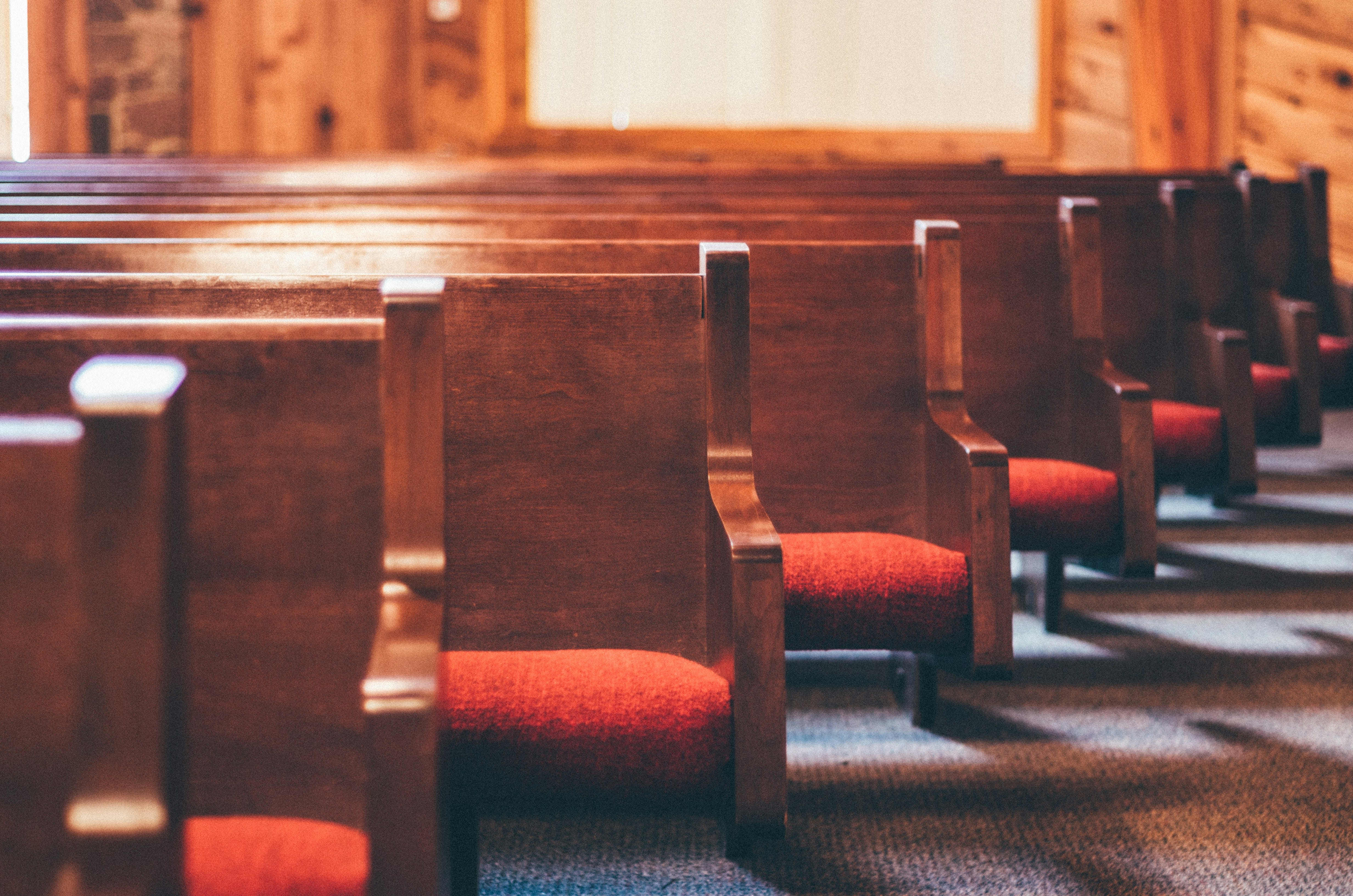
What’s that you say? My church doesn’t have a seating chart! Don’t be ridiculous!
Well, sure, your church doesn’t have an official seating chart. I’m sure no one is required to sit in any one place.
But I’d guess your church has a functional seating chart. Just ask one of your pastors or leaders. Bob? Yeah, he sits on the left side near the back. You can find Susan in the aisle seat halfway back on the right.
Belonging
If “assigned seats” sounds too kindergarten-y for you, I’d encourage you, in love, to calm down. Finding a familiar seat seems like basic human nature. I’ve been teaching college students for decades, and this has been true in every class I’ve taught. There might be small fluctuations at the beginning of the semester, but after the first two or three sessions, most students are locked into their preferred seat for the next fourteen weeks.
Some feel like the church should be different. We’re welcoming! We’re not uptight or rigid—we’re flexible and loving! But each church is, of course, a human social organization, and even a divinely ordained institution cannot help but bear this human mark.
But beyond being somewhat inevitable, a church’s default seating can be a good thing.
If you sit in the same seat (or even the same general area) over and over, and if the people around you do the same, you’re bound to have opportunities for conversations and closer relationships. These become people you know and look forward to seeing; they are friends who notice when you’re absent.
For those in a larger church, belonging to a smaller pocket of people is a necessity. Instead of being one among hundreds (or thousands), now you’re the person who sits in front of me or the family who doesn’t mind us squeezing past them when we’re late. We need to be known within these smaller groups, and we need to know others within the church too.
Familiar seating also makes it obvious when a new person or family is visiting. For smaller churches, this is already clear, but if your church is a bit bigger, you’ll be able to notice new faces more easily if most people usually sit in the same places.
Hold Your Seat Loosely
Without much imagination, we can envision this “reserved seating” mentality going too far. If we insist on sitting in a particular place, that can easily create an inflexible, unwelcoming, and unloving atmosphere. Visitors are much less likely to return if they are made to feel they chose “the wrong seat.” Even regular church attenders may have different needs from week to week which cause them to move around.
Picture a festive gathering at your home, complete with a meal. Your brother is bringing his friend because you’ve made it known your doors are open for these sorts of invitations. When the friend arrives and takes a seat in the living room, you wouldn’t ask them to vacate the rocking chair just because your daughter usually sits there, would you? You would want your family, when called upon, to sacrifice what is familiar and comfortable to welcome outsiders. This is, quite literally, the path of Jesus.
My family was happily “relocated” in our church a number of years ago. When we arrived in the sanctuary one morning, a new family was sitting in what I thought of as “our” seats. We found other accommodations and haven’t sat in those previous seats since! That family has become an integral part of our church body.1 Yes, it’s an adjustment, but in the scheme of things it’s such a small adjustment!
Visiting a church is already a challenge, and this goes double for people who haven’t been to any church at all recently. If we hold our assigned seats with a light grip, we might just be part of that attractive aroma of Christ that welcomes in the stranger.
Am I saying we are 100% of the reason this family stayed and joined the church? Don’t be silly. The number is probably more like 85–90%.