
God's Fleeting Gifts
good gifts, destined for dust

The signs of her are everywhere. From inspirational sayings on the fridge to masking-tape labels on spice jar lids, we see her handwriting all over the kitchen. No matter how much sorting and donating we’ve done, she’s still a huge part of that house.
Rightly so. My parents were married for almost 50 years, spending close to 45 years in that house. Mom has been gone since the fall of 2023, but I can still smell her distinctive scent when I walk in the front door.
I spent some time with my dad this past February, and I felt those now-familiar feelings that I know accompany loss and grief: sadness at my mom’s absence and gratitude for the time I had with her. That time was not short—I am not young!—but good relationships rarely last as long as we’d like. We’re finite, but we crave the infinite.
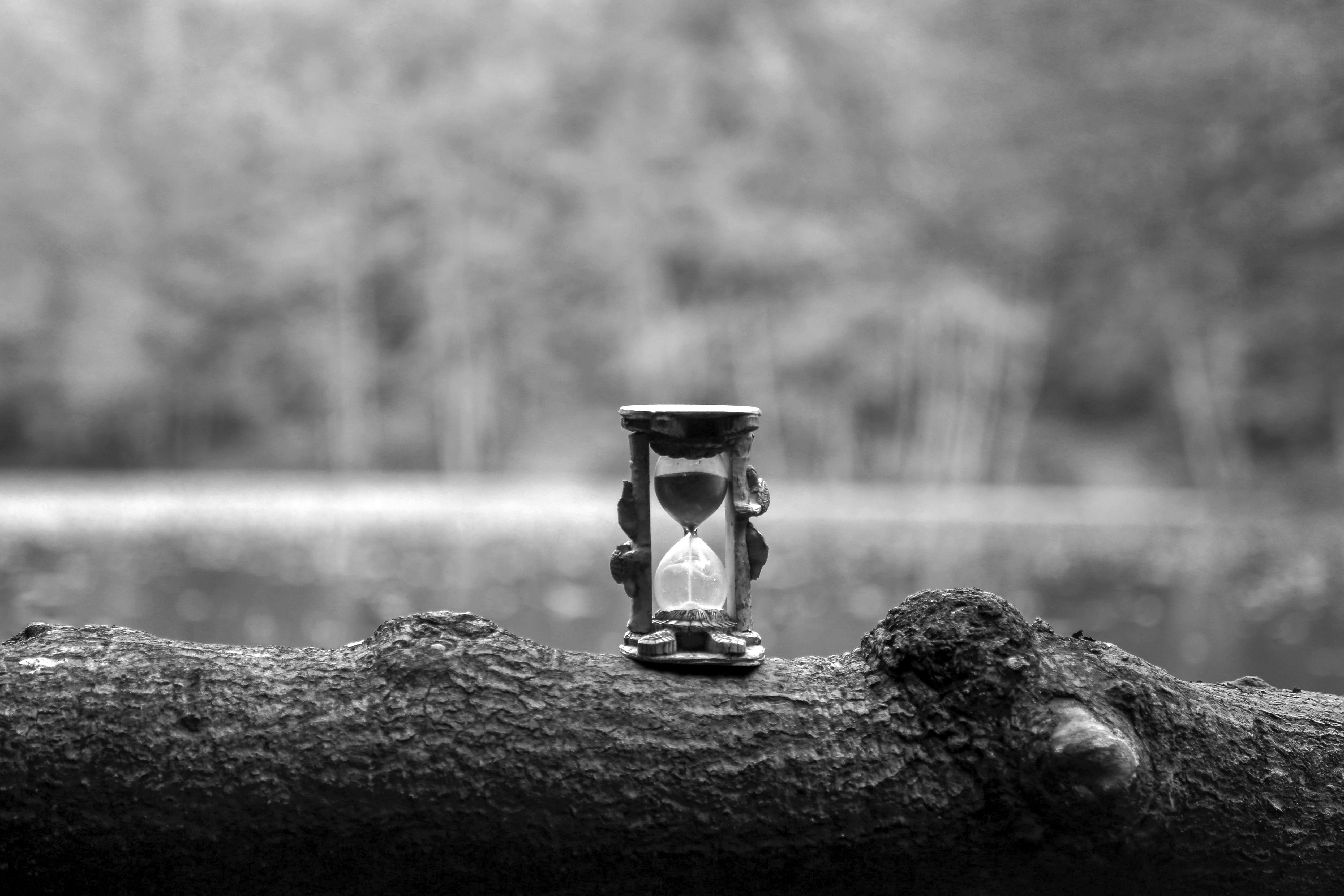
We don’t raise the topic much in conversations at work or at the coffee shop, but our death is inevitable.1 Famously, this is the great equalizer, the one experience (aside from birth) all humans will share.2 Here’s one among many obvious implications: all of God’s gifts are temporary.
It’s easy to acknowledge the temporary nature of some gifts—an ice cream cone, a garden bloom in the spring, a favorite band’s concert. We know we can’t hold onto these for long.
But we treat some other gifts differently. A best friend or spouse, an energizing career, a well-loved home—if we tilt our heads at the right angle, we might convince ourselves these will last forever. Whether our ignorance is willful or naive, we’re still ignoring the obvious. We’re going away, and so is everything we ever lay eyes on.
God’s gifts aren’t the problem, of course. He gives good gifts to his children (Ps 84:11, 34:10, 103:5). Our problem is the weight we misattribute to these gifts. We want them to be and to bear too much. When we hoist a crane on the back of a horse, we shouldn’t expect any galloping around the pasture.
One correction we can offer each other is to receive these given things in the way they are intended: as good but temporary gifts. We might think this will lead us to devalue or ignore the people and things in our lives. That’s possible, but this perspective should actually help us love them better. No spouse was made to be the object of worship; no friends were intended to be eternal sources of encouragement. We love these people and things best when we agree with what God says about them: they are good, and they (like us) are dust.
Some of my mother’s labels and notecards have been in my childhood home for decades. Her memory still lives on in that house and with her loved ones. But from the perspective of centuries, it won’t be long before those index cards, that house, and everyone who ever knew my mother’s name is gone.3 This may sound like a downer, but it’s actually a necessary perspective if we want to relate well to God’s gifts.
There is one of God’s gifts that will last, only one that can bear the weight of our desire, our hope, and our worship. Only one gift that will actually satisfy the desire for permanence that stands like a pillar at our core. That gift is God himself. The incarnation of Jesus was a preview of what is to come (Rev 21:3). God gives himself to his children freely and gladly—without hesitation. And we will enjoy him forever.
I am fun at parties.
Some say death and taxes are both inevitable, but you and I both know that’s not true.
As you might be able to tell, I’m training as a motivational speaker.
My husband and I have said very similar things after the loss of both our moms.
I agree with you that accepting that these gifts are temporary will cause us to treasure them even more. And thank God for the heavenly reunions that those of us in Christ will have.
May your dear mother rest in peace, and may your father receive much comfort.
I enjoyed footnote #2 a lot.